
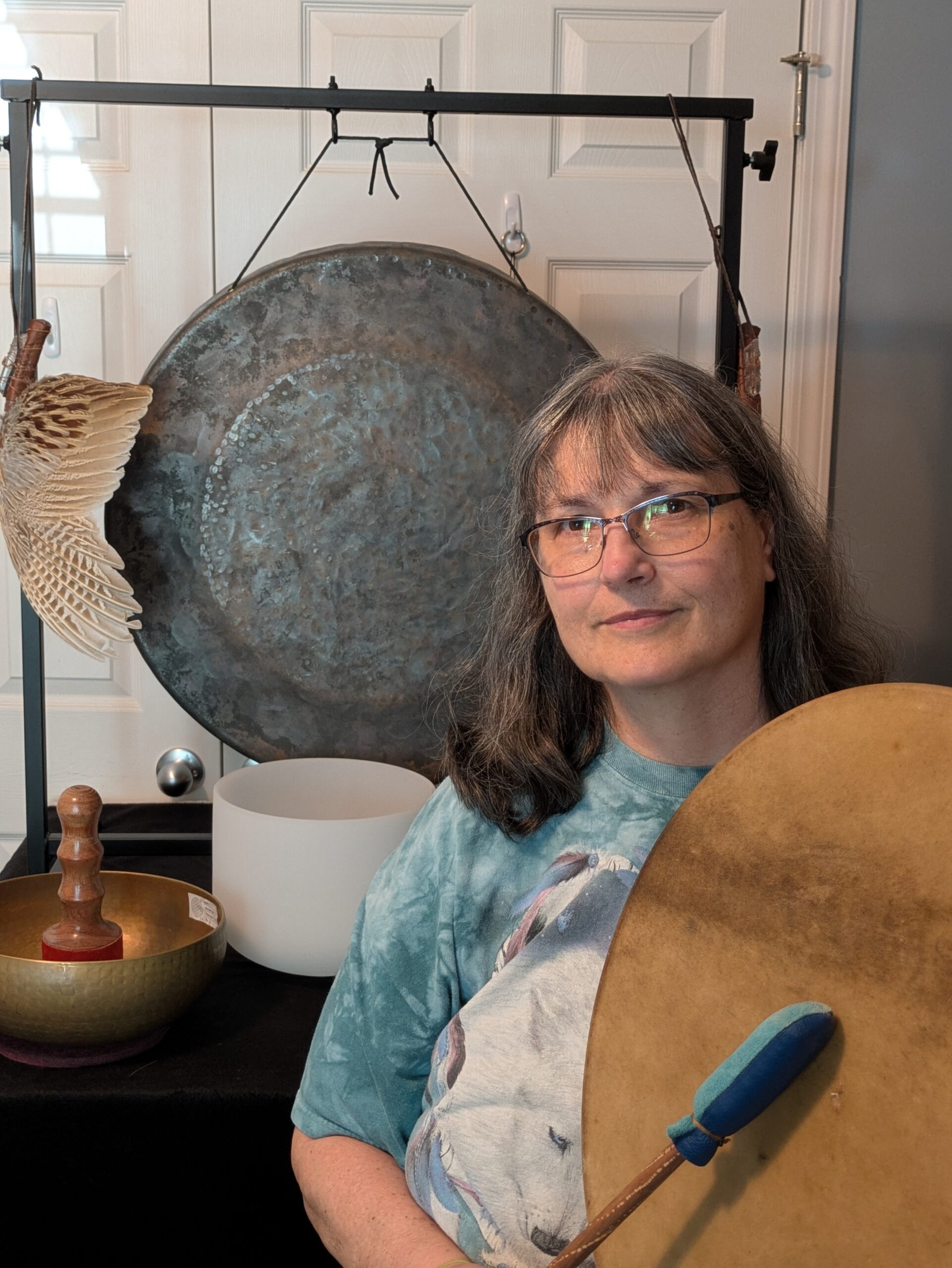
Sound healing has been used across cultures for millenniums, modern research is now exploring how structured sound influences the nervous system, brain activity, and emotional regulation. While sound therapy is not a medical treatment or replacement for clinical care, scientific studies suggest it offers supportive benefits when used responsibly and ethically. I will offer you ten research-informed ways sound therapy can support well-being, presented in clear, cautious language for educational purposes. While this is a lengthy blog, I feel that it’s critical to have a concise scientifically based review in one continuous presentation.
1. Support of Nervous System Regulation
Sound therapy may help support balance in the autonomic nervous system by encouraging parasympathetic, or “rest-and-recovery,” activity. Research suggests that slow, rhythmic auditory input can reduce physiological arousal, reflected in measures such as heart rate and stress hormone levels (Bernardi et al., 2006). This regulatory effect may help individuals feel calmer and more grounded.
2. Reduction of Stress and Anxiety Symptoms
Studies show that calming auditory stimulation may reduce perceived stress and anxiety by influencing brain regions involved in emotional processing (Koelsch, 2015). Sound therapy may support relaxation responses and emotional settling, particularly when used alongside other stress-management practices.
3. Influence on Brainwave Activity
Auditory rhythms may influence patterns of brain activity through a process known as neural synchronization. Research on rhythmic sound and binaural beats suggests potential associations with relaxed or focused mental states (Garcia-Argibay et al., 2019). These effects vary between individuals and are not guaranteed.
4. Support for Sleep Quality
Sound-based interventions such as gentle rhythmic tones or consistent background noise have been associated with improved sleep onset and deeper stages of non-REM sleep (de Niet et al., 2009; Ngo et al., 2013). Sound therapy may be used as part of a healthy sleep routine.
5. Modulation of Pain Experience
Studies suggest that sound and music may influence how pain is perceived by engaging attention and emotional processing systems (Mitchell et al., 2006). Relaxation associated with sound may indirectly support comfort in certain contexts.
6. Emotional Regulation and Mood Support
Sound may influence neural pathways involved in emotion and reward processing (Blood & Zatorre, 2001). As a result, sound therapy may support emotional regulation and positive mood states, particularly during periods of stress or emotional fatigue.
7. Support for Neuroplastic Processes
Auditory experiences can contribute to neuroplasticity, the brain’s ability to adapt and reorganize over time. Research on music and auditory training shows that repeated sound exposure can influence attention and sensory processing pathways (Kraus & Chandrasekaran, 2010).
8. Reduction of Physiological Stress Indicators
Exposure to calming sound has been associated with reductions in physiological stress indicators such as blood pressure and cortisol in some populations (Thoma et al., 2013). These findings suggest a potential supportive role for sound in stress regulation.
9. Support for Mindfulness and Meditation
Sound can serve as a focal point for attention, making it easier for some individuals to engage in mindfulness or meditation practices (Tang et al., 2015). This may help reduce mental distraction and support present-moment awareness.
10. Non-Invasive, Low-Risk Complementary Practice
When used appropriately, sound therapy is generally considered low-risk and non-invasive (Bradt et al., 2013). It can be adapted to individual comfort levels and used as a complementary wellness practice alongside conventional care.
Experience the Benefits
At Whole Harmonic Healing, I create unique and personalized sound therapy sessions tailored to your needs. Whether you seek stress relief, emotional balance, or physical healing, sound therapy is a safe, non-invasive choice that complements other wellness practices.
I invite you to explore the transformative potential of sound. Experience how harmonious vibrations can support your journey toward health and happiness. Stay tuned for our next blog—filled with tips and insights to enrich your well-being. Your path to harmony starts now.
If you’d like to learn more about sound therapy or book a session, e-mail me at Wholeharmonichealing@gmail.com. I look forward to guiding you toward greater harmony!
References
- Bernardi, L., Porta, C., & Sleight, P. (2006). Cardiovascular responses to music. Circulation, 114(25), 2579–2585.
- Blood, A. J., & Zatorre, R. J. (2001). Music and reward pathways. PNAS, 98(20), 11818–11823.
- Bradt, J., Dileo, C., & Shim, M. (2013). Music interventions for anxiety. Cochrane Database of Systematic Reviews.
- de Niet, G., et al. (2009). Music-assisted relaxation and sleep. Journal of Advanced Nursing, 65(7), 1356–1364.
- Garcia-Argibay, M., et al. (2019). Binaural beats research. Psychological Research, 83, 357–372.
- Koelsch, S. (2015). Music and emotion. Annals of the NY Academy of Sciences, 1337, 193–201.
- Kraus, N., & Chandrasekaran, B. (2010). Auditory neuroplasticity. Nature Reviews Neuroscience, 11, 599–605.
- Ngo, H. V. V., et al. (2013). Auditory stimulation and sleep. Neuron, 78(3), 545–553.
- Tang, Y. Y., et al. (2015). Mindfulness neuroscience. Nature Reviews Neuroscience, 16, 213–225.
- Thoma, M. V., et al. (2013). Music and stress reduction. Psychoneuroendocrinology, 38(12), 2880–2889.
